Old Growth in the Middle of Memphis
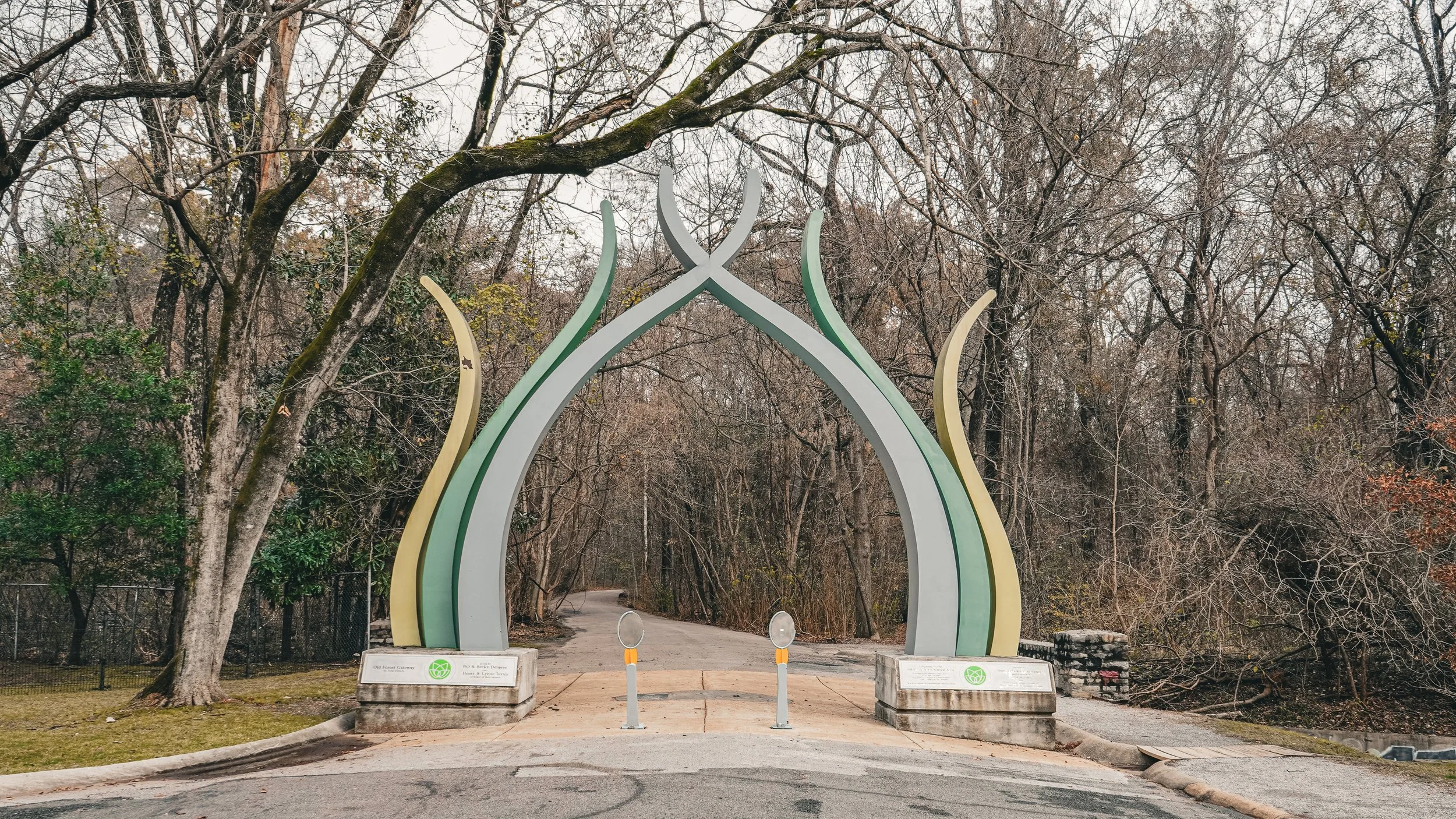
The Old Forest sits smack in the middle of Memphis. Not outside it. Not on the outskirts. Dead center, surrounded by Overton Park, a golf course, and a zoo. You can hear traffic. Sometimes a lion.
And somehow, against all logic and two centuries of development pressure, it never got cut.
I walked in on a gray November afternoon. Temperature in the low fifties, leaves half gone, that damp smell of decay rising off the forest floor. The kind of day most people skip. But that's when you actually see these woods. No crowds. No strollers. Just you and trees that were saplings when Andrew Jackson was president.
The entrance hits you with this sculptural gateway thing. Green and white arches. Looks almost out of place, too modern, too clean. Then you step through and there's a tulip poplar behind it that makes the art installation look like a toy. I'm not a small guy. Spread my arms wide and I couldn't wrap a quarter of that trunk. The bark looked like canyon walls up close. Deep fissures. Gray and black. Rough enough to file down a knife blade.
Here's what gets me. This is 126 acres of old growth forest that never saw a saw. Never got logged. Never got developed into another subdivision or strip mall. In Tennessee. In a city of 600,000 people.
How?
Mostly luck and a few stubborn locals who fought like hell every time someone floated a new idea for the land. They wanted a highway through here in the sixties. Didn't happen. Wanted to expand the zoo. Fought that off too.
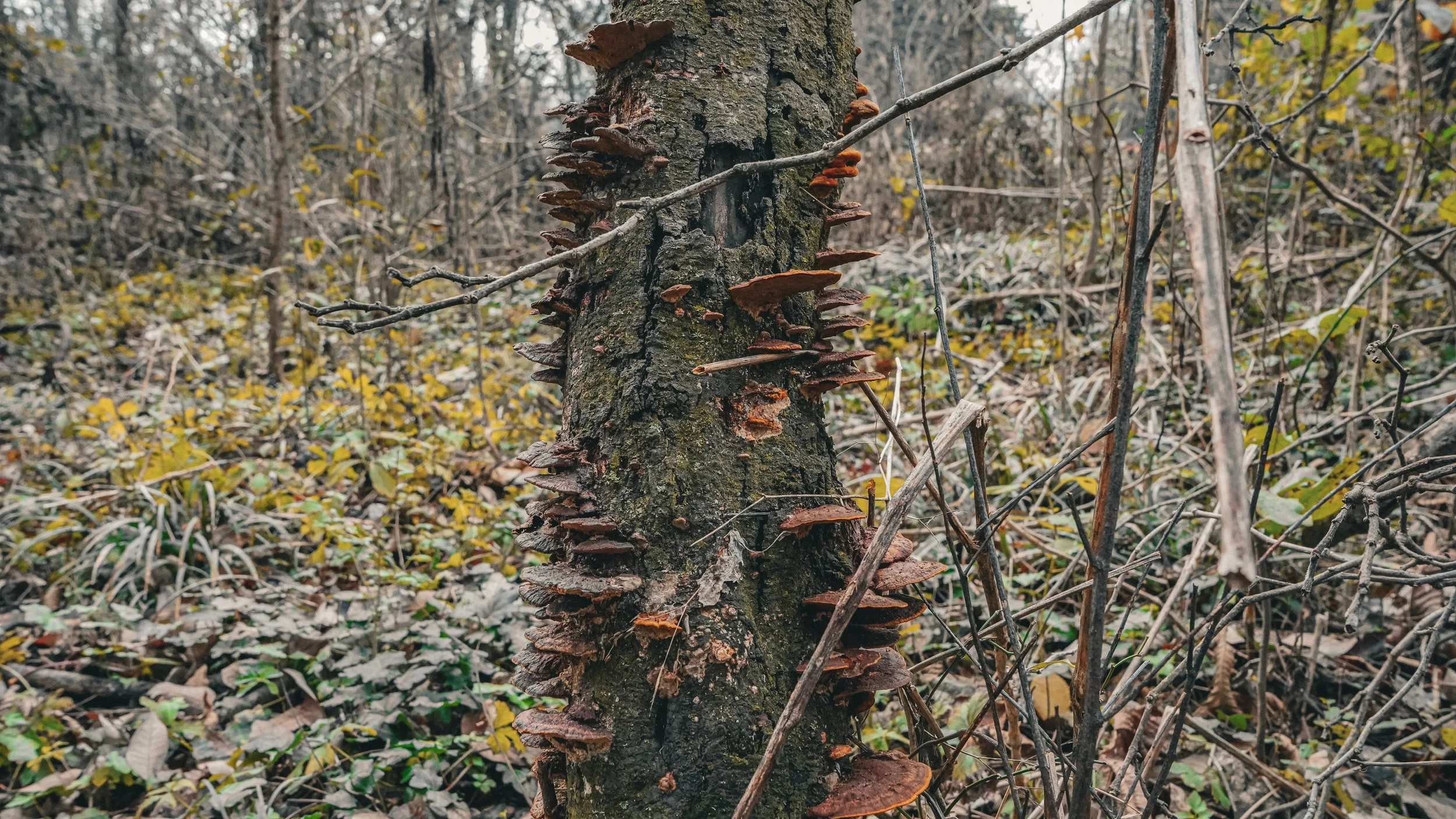
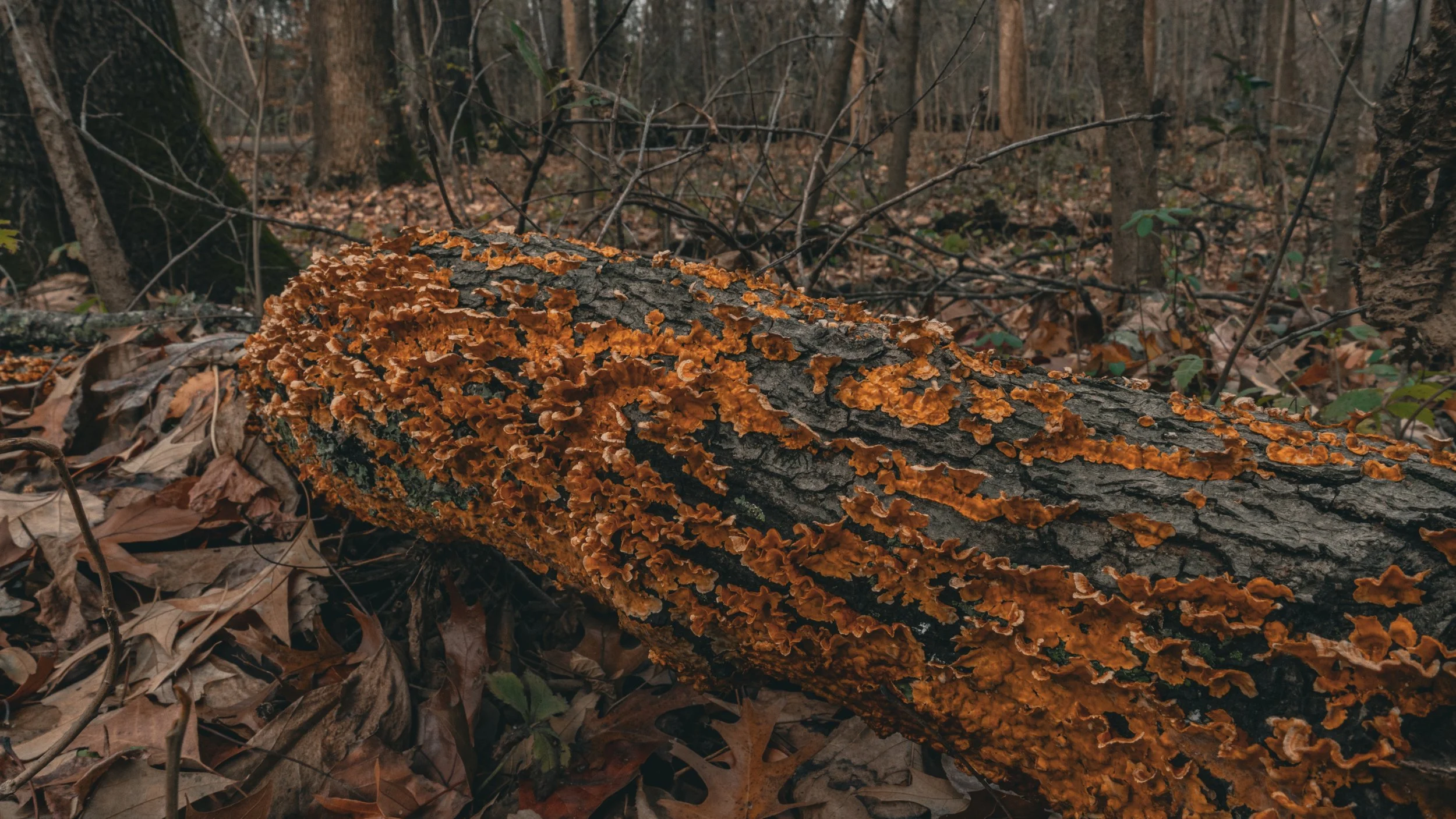
I spent an hour on the trails. Stone walls line the paths in places, old WPA work from the Depression era, moss creeping up the mortar. The ground was soft underfoot, years of leaf litter compacting into something that felt almost spongy. I found shelf fungi colonizing a downed limb, bright orange against the brown, working through the dead wood the way fungi do. Quiet recycling. No drama.
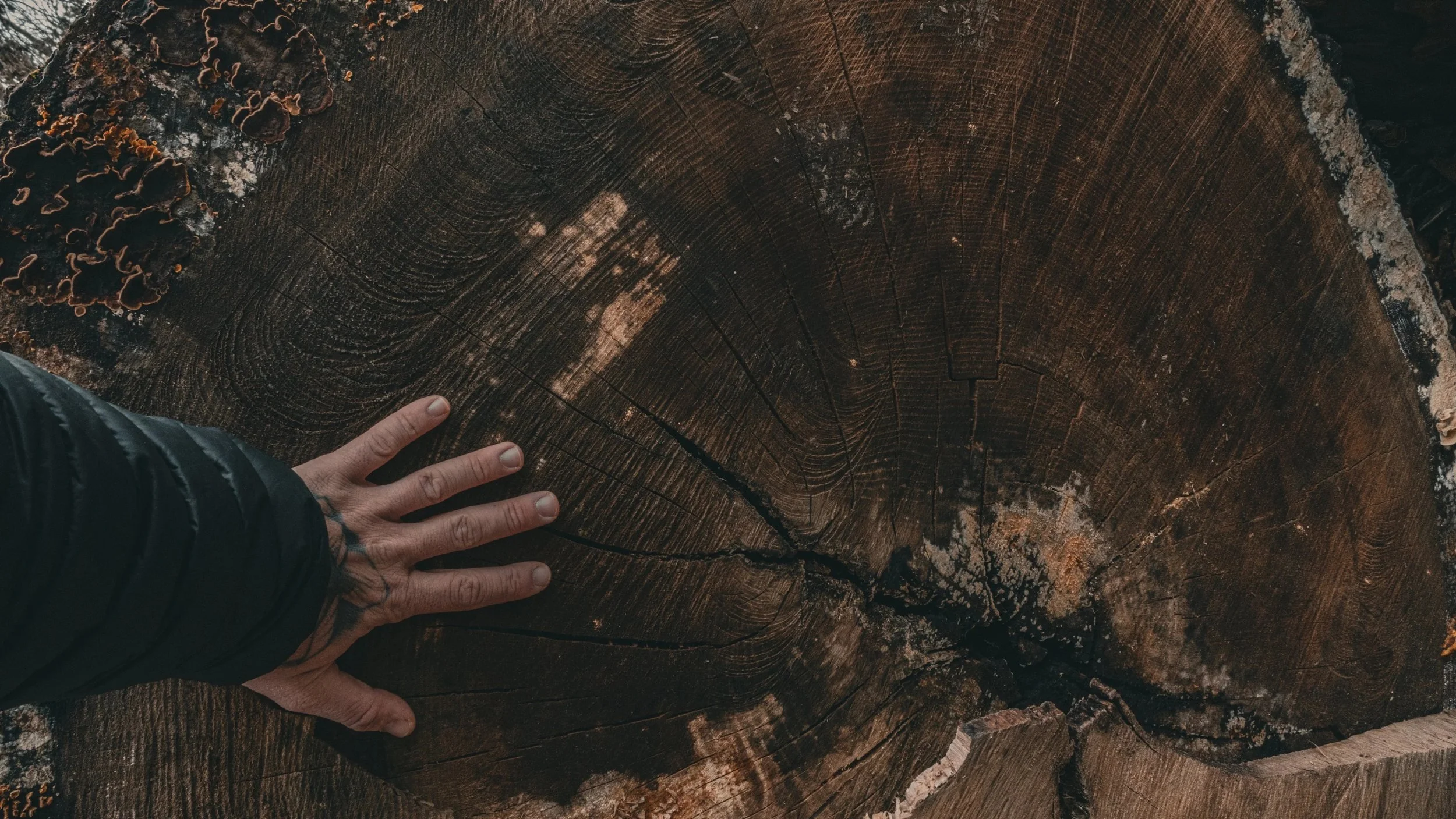
There's a section where someone cut a cross-section from a fallen giant. I put my hand on it and tried counting rings. Lost track around 150. That tree was alive during the Civil War. During both World Wars. Through the Depression, the Civil Rights movement, Elvis at Graceland eight miles away. It watched all of it from the same spot, pulling water and carbon and sunlight, adding another ring each year.
We talk a lot in the hunting and conservation world about preserving wild places. Usually means somewhere remote. Mountain ranges. River corridors. Places you have to drive hours to reach.
But there's something different about a wild place that refused to die inside a city. Something stubborn about it. Defiant, even.
I think about this back home in Louisville. Cherokee Park. Iroquois Park. Exposed limestone. Rolling hills. Deer bedded down fifty yards from a busy road. These aren't just green spaces on a city planning map. They're something else entirely.
Watch who uses them.
A mom pushing a stroller at 7 a.m., getting outside before the day swallows her whole. A nurse still in scrubs, walking the loop trail after a twelve-hour shift, trying to shake off whatever she saw in that ER. Some guy in a button-down, loosened tie, AirPods in, working through a problem that followed him out of the office. Kids on a school field trip seeing a creek for the first time. Actually stopping. Actually looking at a crawdad under a rock.
Not everyone can load up and drive to the mountains. Not everyone has a week to spend in elk country or a boat to chase walleye on some northern lake. But a kid growing up in the West End of Louisville can ride a bike to Iroquois Park. Can stand in woods that feel wild even if there's a parking lot a half mile away. Can learn what a hickory smells like when you snap a twig. Can find turkey tracks in the mud and wonder where they went.
That matters. Maybe more than we give it credit for.
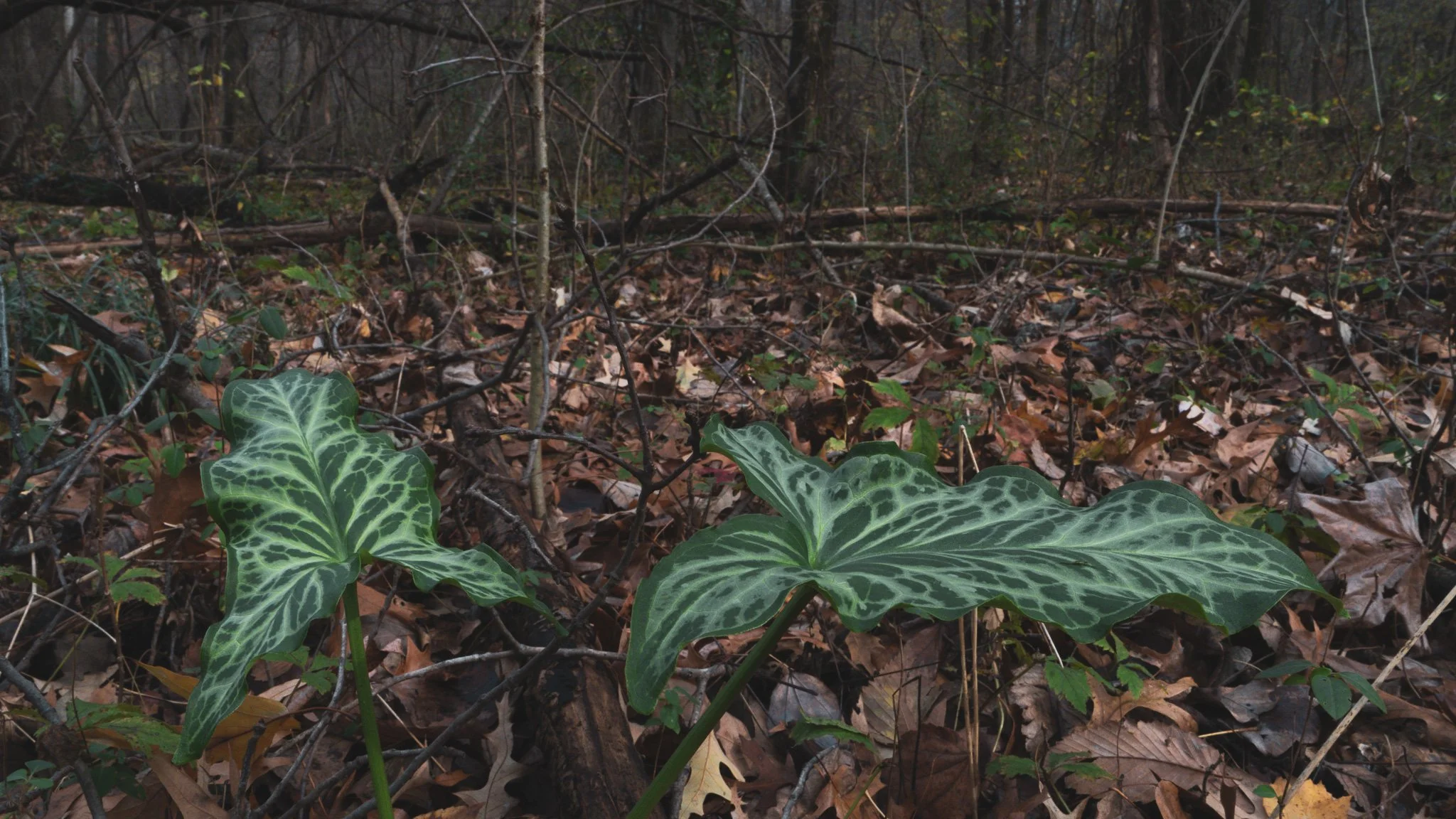
Urban parks aren't a consolation prize. They're the front line. The first place a lot of people ever touch anything resembling wild ground. You lose that, you lose the pipeline. You lose the next generation of hunters, anglers, conservationists. You lose the people who'll fight for the remote places because they learned to love the close ones first.
The Old Forest in Memphis survived because people decided it was worth protecting. Not because it was pristine or untouched or far from civilization. Because it was right there. Because it belonged to everyone who lived around it.
Same reason Cherokee Park matters. Same reason Iroquois matters. These places aren't escapes from the city. They're part of it. Woven in. A release valve. A sanctuary. A classroom that doesn't charge tuition.
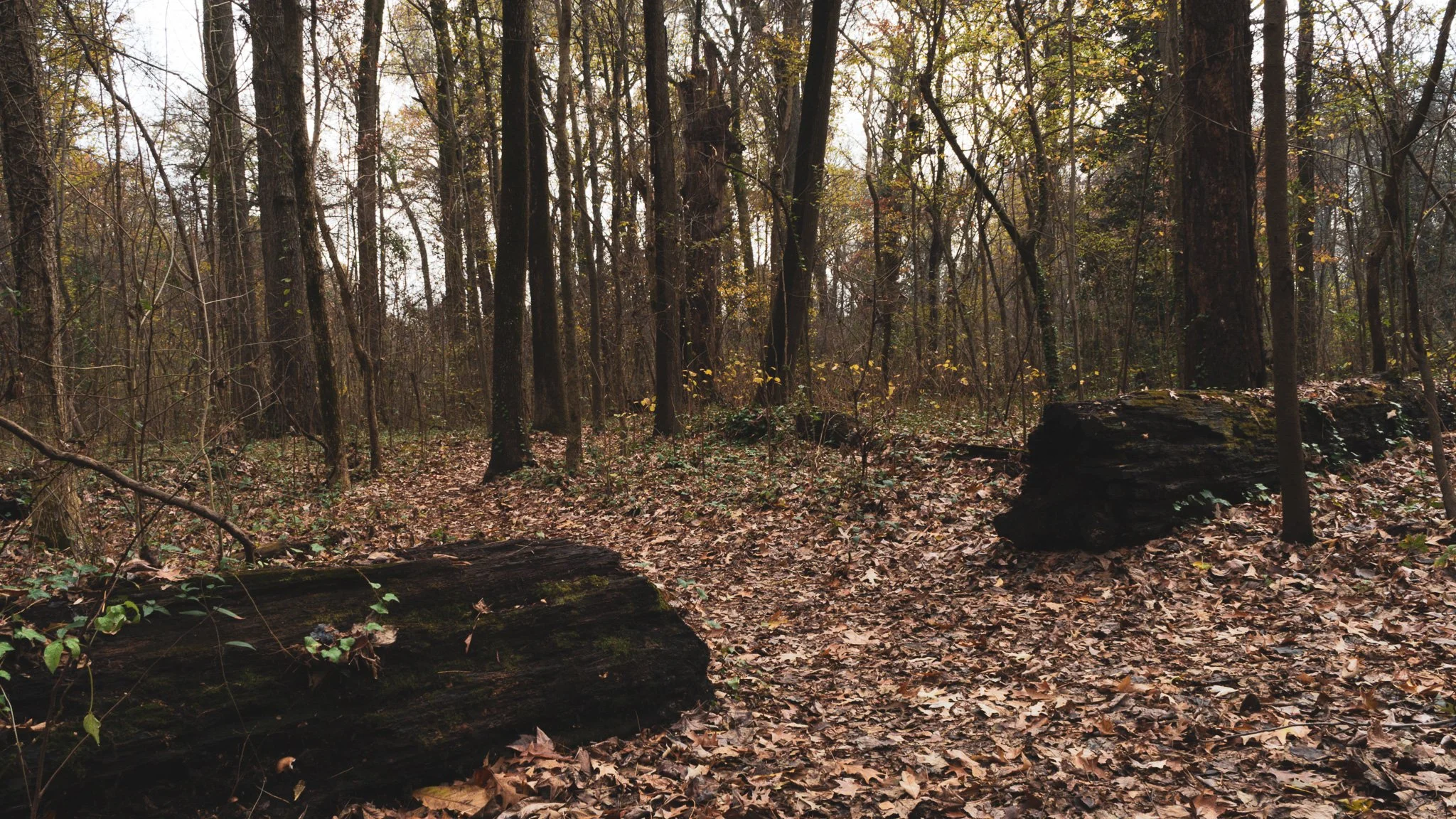
Most people in Memphis probably drive past Overton Park without knowing what's in there. They see a green patch on the map and think "city park." Picnic tables and jogging paths. They're not wrong. But they're also walking distance from trees that remember things none of us were alive to see.
Maybe that matters more than another protected wilderness a thousand miles from anywhere. Maybe the wildness you can touch on your lunch break does more for people than the wildness they'll never visit.
Worth the stop if you're passing through. Bring good boots. The trails get slick when it's wet.
And take your time with those big trees. They've got stories. You just have to stand there long enough to feel stupid about how short your own is.